
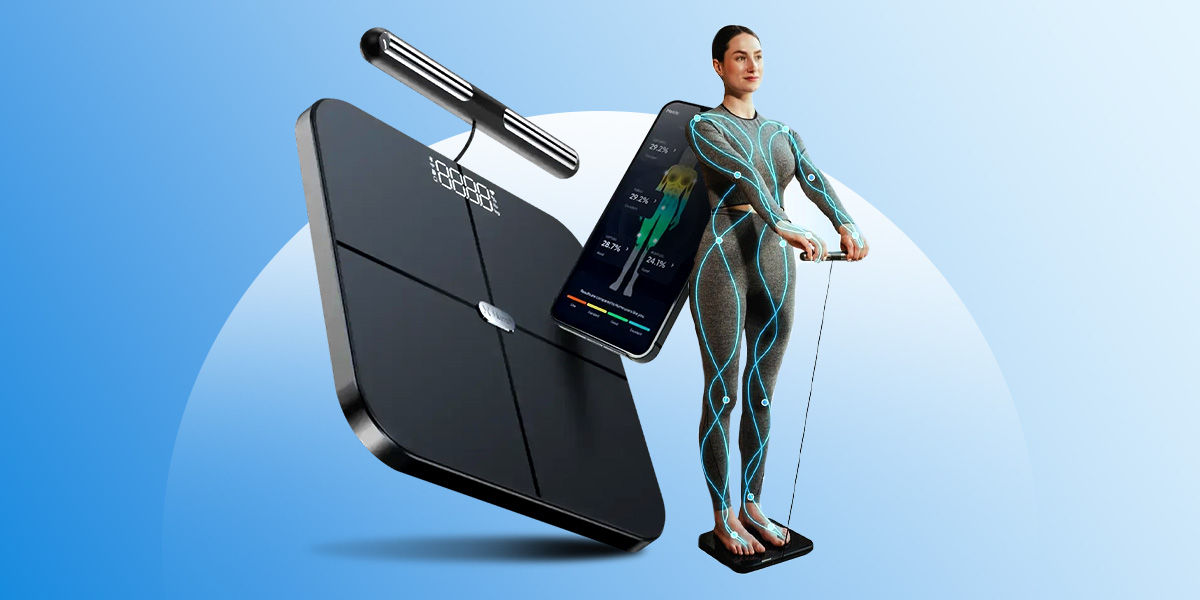
Health data is everywhere today, but understanding what truly matters can still feel overwhelming. HumeHealth is designed to simplify this complexity by turning body data into clear, actionable insights that help people make smarter decisions about their health.
At its core, HumeHealth focuses on body composition rather than just weight. Traditional scales often fail to show what’s really happening inside the body. HumeHealth goes deeper by measuring metrics such as body fat percentage, muscle mass, and metabolic health indicators, offering a more complete picture of physical wellbeing.
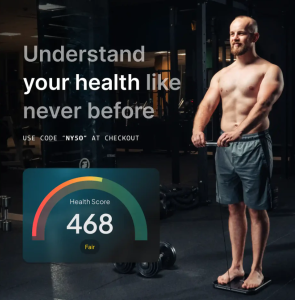
What sets HumeHealth apart is its emphasis on long-term health tracking. Instead of encouraging quick fixes or short-term goals, it helps users identify trends over time. This makes it easier to understand how lifestyle changes, workouts, nutrition, and recovery actually impact the body. Small adjustments become more meaningful when progress is visible and measurable.
The HumeHealth ecosystem is built with everyday users in mind. Data is presented in a clear and user-friendly format, making it accessible even for those without a medical or fitness background. Rather than overwhelming users with raw numbers, the platform highlights what’s important and explains why it matters.
Consistency plays a key role in health improvement, and HumeHealth supports this by encouraging regular check-ins and progress tracking. By seeing changes beyond just weight, users often feel more motivated to stay committed to their routines. Improvements in muscle mass or metabolic balance can be just as rewarding as changes on the scale.
Another strength of HumeHealth is its adaptability. Whether someone is focused on fitness performance, weight management, or general wellness, the insights can be tailored to individual goals. This flexibility makes it useful for a wide range of users, from beginners to experienced health enthusiasts.
In a world where health advice is often generic, HumeHealth offers a more personalized approach. By helping users understand how their bodies respond to daily habits, it encourages informed decisions rather than guesswork. The result is a more sustainable and realistic path toward better health.