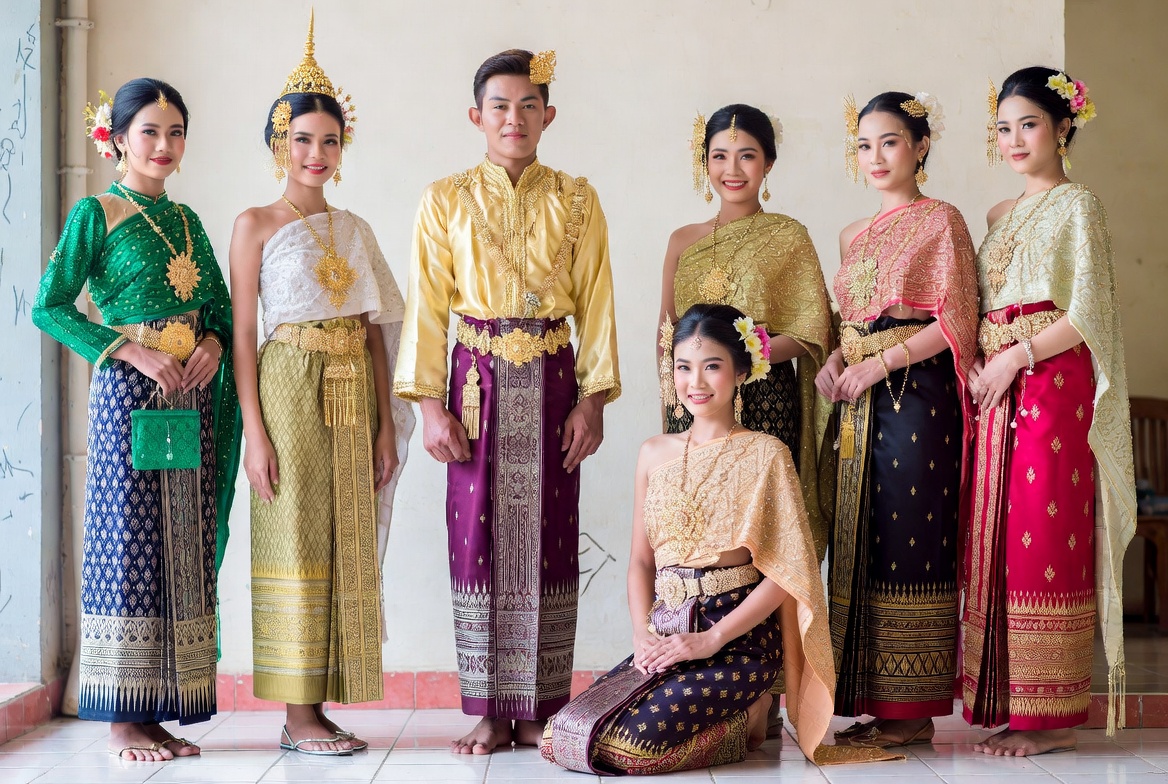
Traditional Thai dress is one of the most elegant representations of Thailand’s rich cultural identity. Known for its graceful fabrics, intricate designs, and symbolic meanings, the traditional thai costume reflects centuries of history, royal influence, and regional diversity. While Thailand does not have a single official national outfit, the dress of thailand varies by occasion, region, and tradition.
Today, these outfits are commonly worn at festivals, weddings, ceremonies, and cultural celebrations. Each garment tells a story through its weaving, colors, and structure, making Thai attire a strong symbol of heritage and pride.
History of Traditional Thai Costume
The history of the traditional thai costume dates back centuries and has been shaped by different civilizations and cultural exchanges. Early clothing styles were influenced by Indian and Khmer cultures, especially during ancient kingdoms such as Dvaravati and Ayutthaya. These influences introduced unique designs like wrapped garments, metal belts, and decorative jewelry.
Over time, clothing styles evolved with social and political changes. Different regions began to develop their own identity in terms of patterns, fabrics, and ways of wearing garments.
A major transformation came in the 1960s when Queen Sirikit introduced modern formal Thai attire called Chut Thai. She aimed to create a national dress suitable for international events and formal occasions. This modern adaptation became widely popular and remains one of the most recognized types of traditional thai dresses today.
Importance of the Dress of Thailand
The dress of thailand is not just about appearance; it represents culture, tradition, and social values. Each piece of clothing reflects Thailand’s craftsmanship and deep respect for heritage.
Traditional outfits are worn for:
-
Religious ceremonies
-
Weddings and festivals
-
Cultural performances
-
Royal events
-
Formal gatherings
Even today, these outfits continue to hold cultural value and are proudly worn by people across different regions of Thailand.
Types of Traditional Thai Dresses
There are many types of traditional thai dresses, each designed for different occasions and regions. Some are simple and casual, while others are luxurious and formal.
1) Chong Kben
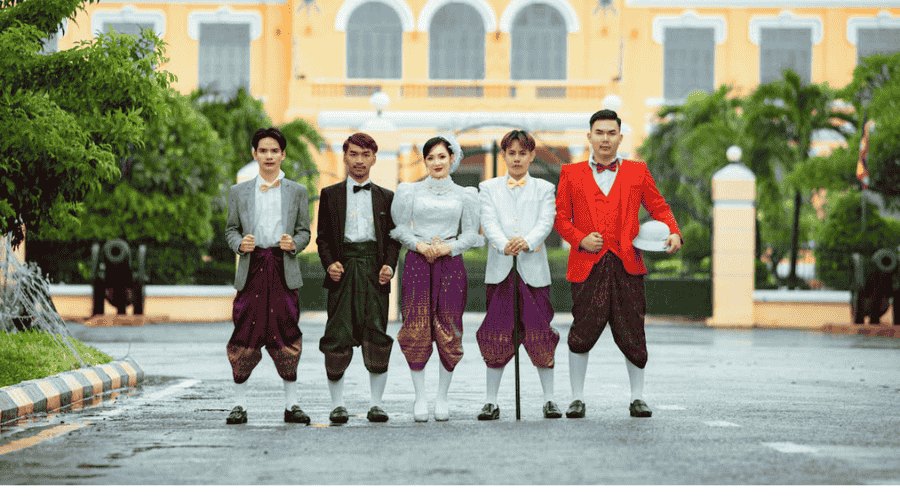
Chong Kben is one of the oldest and most versatile traditional garments.
Key features:
-
Worn by both men and women
-
Silk cloth wrapped around the lower body
-
Styled like loose trousers
-
Originated from Cambodian influence
In ancient times, it was commonly worn for daily activities as well as formal settings.
2) Sinh (Pha Sinh)
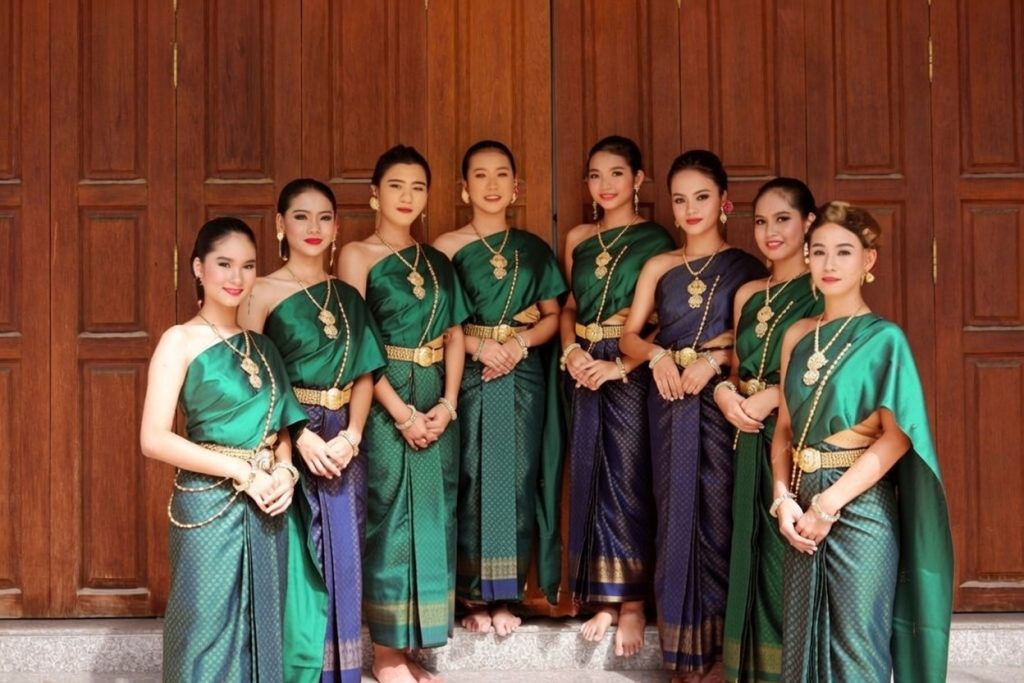
Sinh is a popular traditional thai costume for women, especially in northern and central Thailand.
Characteristics:
-
A long tubular skirt wrapped around the waist
-
Made from silk or cotton
-
Decorated with colorful patterns and detailed hems
-
Paired with a silk blouse
This outfit represents femininity, elegance, and traditional craftsmanship.
3) Sabai
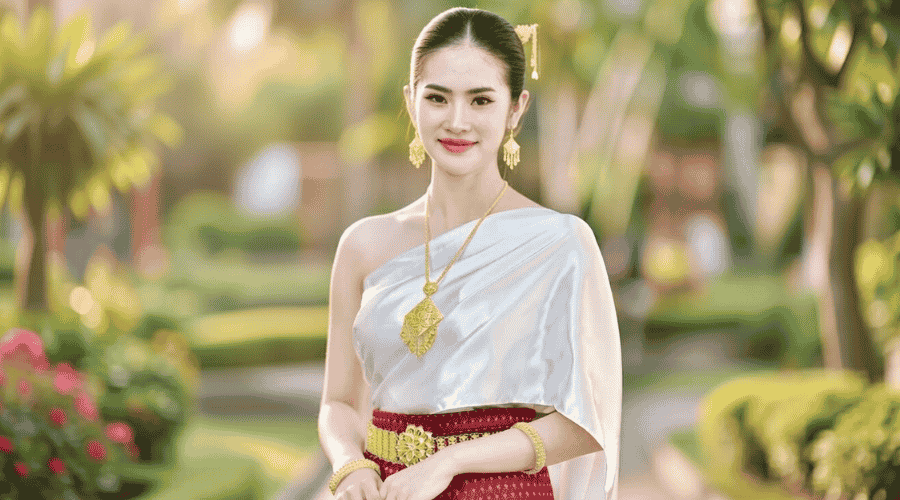
Sabai is an upper-body garment worn by women.
Details:
-
Draped over one shoulder
-
Made from silk fabric
-
Often worn during festivals and ceremonies
-
Adds grace and elegance to the outfit
It is sometimes worn alone or layered over a blouse for a modern look.
Chut Thai – The Modern National Outfit
Chut Thai is the most recognized dress of thailand in modern times. It was designed to represent Thailand’s national identity and is now worn during formal events and celebrations.
There are several types of traditional thai dresses under the Chut Thai category.
1) Chut Thai Ruean Ton
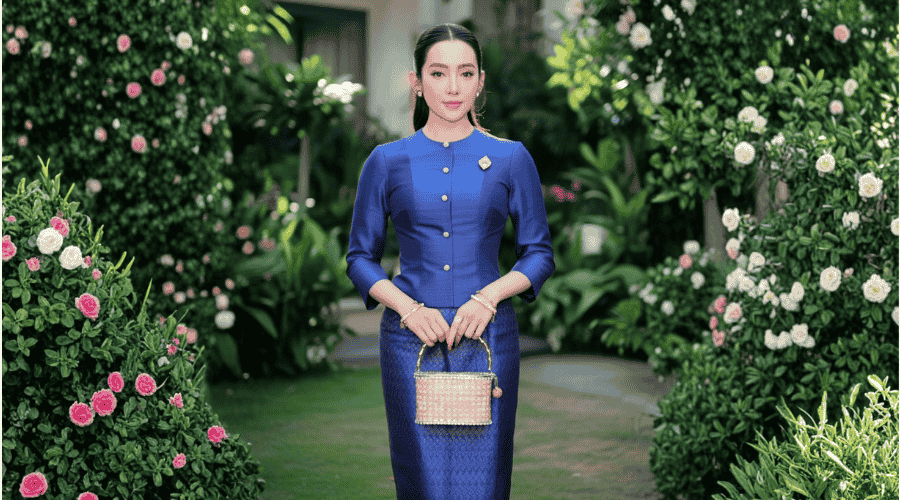
This is the simplest and most casual form of Chut Thai.
Features:
-
Silk tube skirt
-
Buttoned blouse with elbow-length sleeves
-
Comfortable and suitable for religious or semi-formal events
2) Chut Thai Chakkri
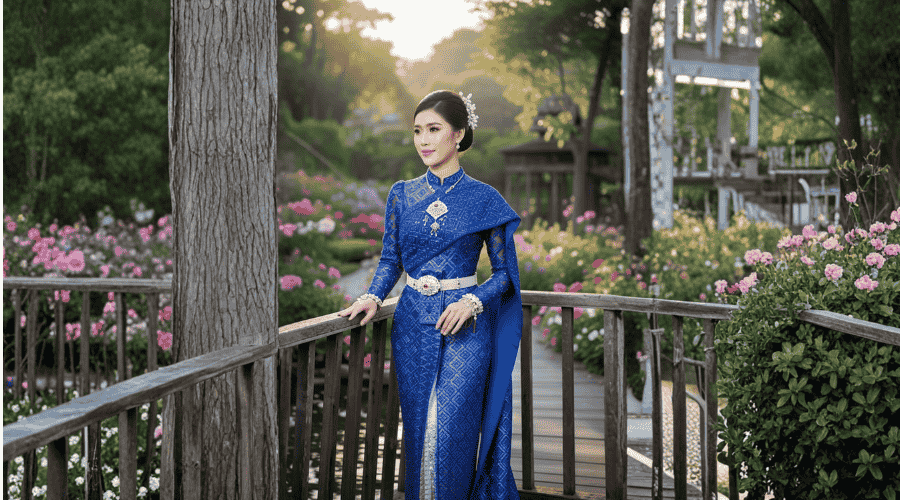
One of the most elegant and famous traditional thai costume styles.
Key elements:
-
Long silk skirt with front pleats
-
Sabai draped over the shoulder
-
Luxurious weaving techniques
-
Often worn at weddings and grand celebrations
This outfit is known for its royal and graceful appearance.
3) Chut Thai Siwalai
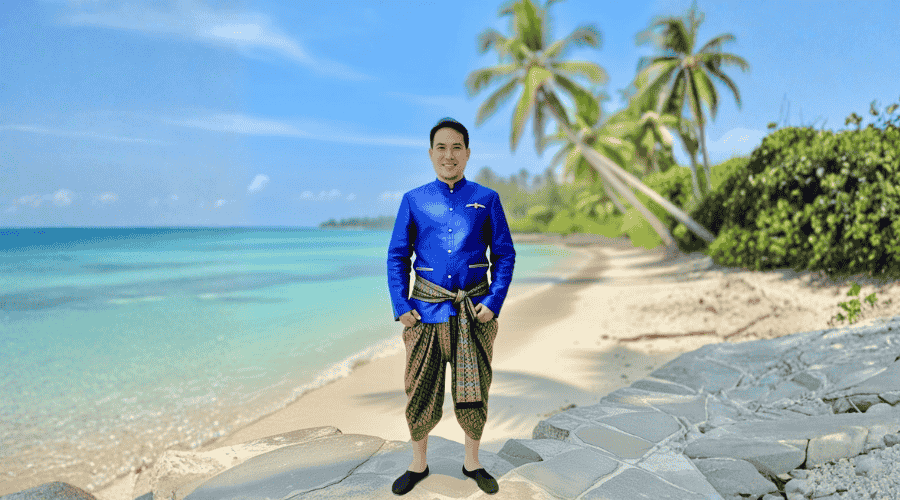
Siwalai is considered more formal and is often worn for evening events.
Details:
-
One-piece gown-like outfit
-
Long skirt and blouse combined
-
Sabai draped over the shoulder
-
Suitable for royal ceremonies and formal gatherings
Traditional Thai Dress for Men
The traditional thai costume is not limited to women. Men also have their own formal attire.
One well-known outfit is Suea Phraratchathan.
Features:
-
Formal shirt with front buttons
-
Long collar design
-
Paired with trousers
-
Sometimes worn with a sash
This outfit is commonly worn at official events and formal functions.
Regional Variations in the Dress of Thailand
The dress of thailand changes depending on the region. Each area has unique fabrics, colors, and styles that reflect local traditions.
Northern Thailand
-
Indigo-dyed blouses
-
Tube skirts with colorful weaving
-
Influenced by tribal communities
Central Thailand
-
Ankle-length skirts
-
Traditional Jong Kraben style
-
Elegant silk materials
Southern Thailand
-
Bright batik sarongs
-
Lace blouses
-
Shawls covering shoulders and head in Muslim communities
These regional variations make the types of traditional thai dresses even more diverse and culturally rich.
Fabrics and Craftsmanship
Thai traditional clothing is famous for its high-quality fabrics and detailed craftsmanship.
Common materials include:
-
Thai silk
-
Cotton
-
Handwoven textiles
Many fabrics are made using traditional weaving techniques passed down through generations. Some designs even include gold or silver threads for a luxurious finish.
When Are Traditional Thai Dresses Worn?
Traditional outfits are not worn daily anymore but are still important for special occasions.
Common occasions include:
-
Weddings
-
Cultural festivals
-
Religious ceremonies
-
National celebrations
-
Royal events
Tourists also wear traditional thai costume styles during cultural photo sessions and temple visits.
Cultural Symbolism of Traditional Thai Costume
Each part of the traditional thai costume carries meaning.
-
Silk represents luxury and elegance
-
Colors may symbolize celebration or spirituality
-
Patterns reflect regional identity
-
Jewelry adds status and beauty
These elements combine to create outfits that are more than just clothing — they represent Thai history and tradition.
Traditional Thai Dresses in Modern Times
Even though modern clothing is common in everyday life, traditional thai costume styles still play an important role in Thai society.
They are often worn:
-
During national festivals
-
In school cultural programs
-
At temple events
-
In fashion shows
The revival of traditional textiles and clothing has helped preserve the dress of thailand for future generations.
Why Traditional Thai Dress Is Special
Traditional Thai attire stands out because of its elegance, history, and craftsmanship. It beautifully blends ancient influences with modern design.
Reasons why it remains popular:
-
Represents Thai identity
-
Reflects centuries of history
-
Showcases skilled craftsmanship
-
Adds elegance to cultural events
These outfits continue to inspire fashion designers around the world.
Conclusion
Traditional Thai dress is a beautiful reflection of Thailand’s culture, heritage, and artistry. From the graceful Sinh skirt to the elegant Chut Thai styles, each outfit tells a story of tradition and pride.
The various types of traditional thai dresses highlight regional diversity and historical influences, making the dress of thailand one of the most visually stunning traditional outfits in the world.
Whether worn during festivals, weddings, or royal ceremonies, the traditional thai costume continues to preserve Thailand’s cultural identity while inspiring modern fashion.