Be Fit While Travelling with Hume Band
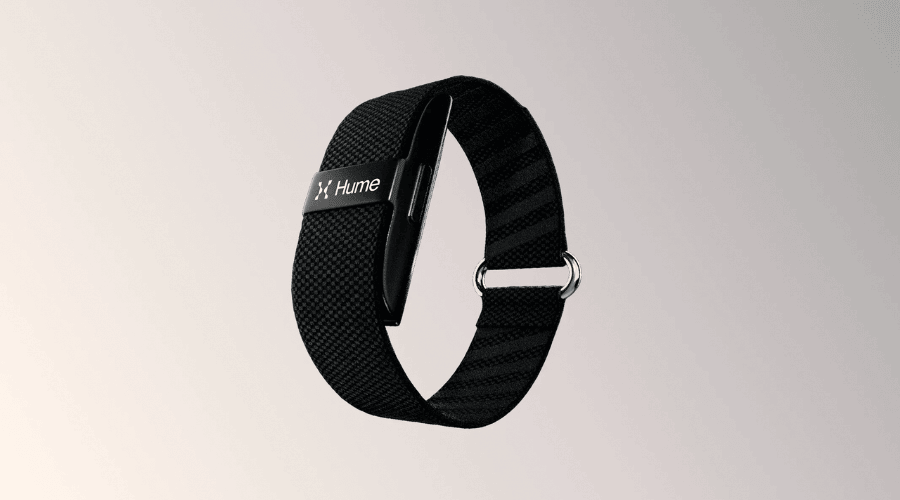
Travel disrupts routine. Flights, hotel stays, unpredictable schedules, restaurant meals, and time zone shifts all challenge your fitness discipline. If your goal is to be fit while travelling, you need structure, measurable data, and real-time feedback. That’s where the Hume Band from Hume Health becomes a strategic advantage.
Rather than guessing whether you are staying active enough or recovering properly, you can quantify your movement, sleep, and recovery metrics—no matter where you are in the world.

This guide outlines a practical framework for staying fit while travelling and how the Hume Band integrates into that system.
Why Staying Fit While Travelling Is Challenging
Travel introduces three primary obstacles:
-
Reduced physical activity (long flights, meetings, tours)
-
Inconsistent nutrition
-
Sleep disruption due to time zone shifts
These variables compound quickly. Within days, you may feel sluggish, inflamed, or mentally fatigued. The key is proactive monitoring and micro-adjustments rather than reactive correction.
How the Hume Band Supports Fitness on the Go
To be fit while travelling, you need visibility into:
-
Daily activity levels
-
Calorie expenditure
-
Heart rate trends
-
Sleep duration and quality
-
Recovery metrics
The Hume Band consolidates this data into one ecosystem, allowing you to make data-driven decisions instead of relying on assumptions.
1. Track Daily Movement — Even on Transit Days
Travel days often become sedentary marathons.
With the Hume Band, you can:
-
Monitor step count during airport layovers
-
Track standing time
-
Measure total daily energy expenditure
-
Set movement reminders
Action strategy:
If you notice your step count dropping below baseline, add:
-
15-minute terminal walks
-
Bodyweight circuits in hotel rooms
-
Evening walks after dinner
Small increments prevent metabolic slowdown.
2. Optimize Short Workouts in Limited Spaces
You don’t need a gym to be fit while travelling.
Efficient hotel-room workouts include:
-
Push-ups
-
Squats
-
Lunges
-
Planks
-
Resistance band exercises
Use heart rate monitoring from the Hume Band to ensure you are training in the appropriate intensity zone.
Why this matters:
Without objective heart rate data, workouts may be too light to stimulate adaptation or too intense to support recovery during travel stress.
3. Monitor Sleep and Recovery Across Time Zones
Jet lag disrupts:
-
Circadian rhythm
-
Deep sleep cycles
-
Hormonal balance
The Hume Band tracks sleep duration and quality, providing actionable insights.
If sleep quality declines:
-
Increase hydration
-
Reduce evening screen exposure
-
Shift workout timing earlier in the day
-
Consider light mobility instead of high-intensity training
Travel fitness is not just about activity; it’s about recovery management.
A Practical Travel Fitness Framework
To consistently be fit while travelling, implement this structured system:
Pre-Travel Preparation
-
Establish baseline metrics (steps, sleep, resting heart rate)
-
Pack minimal fitness tools (resistance bands, lightweight trainers)
-
Set realistic activity targets
During Travel
Daily Priorities:
-
Hit at least 8,000–10,000 steps
-
Complete 20–30 minutes of structured movement
-
Hydrate consistently
-
Monitor recovery score before intense sessions
Post-Travel Reset
-
Compare travel metrics to baseline
-
Adjust sleep schedule gradually
-
Resume progressive training volume
The Hume Band provides longitudinal data, allowing you to assess patterns across multiple trips.
Nutrition Control Without Overrestriction
Travel often involves:
-
Restaurant dining
-
Business meals
-
Social events
Instead of rigid dieting, focus on controlled flexibility:
-
Prioritize protein at every meal
-
Increase vegetable intake
-
Maintain hydration
-
Limit ultra-processed snacks
Use calorie expenditure data from the Hume Band to contextualize intake. If activity is lower than usual, portion control becomes more critical.
Managing Stress While Travelling
Travel increases physiological stress due to:
-
Environmental changes
-
Schedule pressure
-
Sleep disruption
Chronic stress elevates resting heart rate and impairs recovery. The Hume Band’s biometric tracking helps you detect stress trends early.
If resting heart rate trends upward:
-
Reduce training intensity
-
Increase mobility work
-
Prioritize earlier sleep
-
Incorporate breathwork sessions
Data awareness prevents burnout during extended trips.
Business Travel vs. Leisure Travel: Different Strategies
Business Travel
-
Schedule workouts before meetings
-
Use early morning sessions for consistency
-
Monitor recovery closely due to cognitive load
Leisure Travel
-
Integrate activity into experiences (walking tours, hikes)
-
Track steps to avoid full sedentary days
-
Allow moderate dietary flexibility while maintaining protein targets
In both cases, consistency outweighs intensity.
The Psychological Edge of Tracking
When trying to be fit while travelling, accountability often declines. Without routine cues (home gym, regular schedule), motivation weakens.
Wearable tracking provides:
-
Objective accountability
-
Real-time feedback
-
Progress visibility
-
Behavioral reinforcement
You are less likely to skip movement when metrics are visible and measurable.
Key Takeaways: How to Be Fit While Travelling
To maintain health during travel:
-
Track daily activity
-
Prioritize short, efficient workouts
-
Monitor sleep quality
-
Adjust training intensity based on recovery
-
Control nutrition strategically
-
Manage stress proactively
The Hume Band transforms travel fitness from guesswork into measurable performance management.
Final Thoughts
Travel does not have to derail your fitness trajectory. With structured planning and biometric insight, you can sustain momentum regardless of geography.
To truly be fit while travelling, you need more than motivation—you need data, adaptability, and consistency. The Hume Band provides the framework to execute all three.
Fitness is not location-dependent. It is system-dependent.