
Europe is a runner’s dream. From historic city loops to coastal promenades and alpine lakeside paths, the continent offers extraordinary variety. Whether you prefer flat tempo routes, hill repeats with panoramic views, or relaxed recovery jogs through green parks, you’ll find a route that fits your training style.
Here are some of the best places for running in Europe, combining scenery, accessibility, and well-maintained surfaces.
1. Hyde Park
London’s most iconic green space offers wide gravel paths, paved loops, and soft trails—ideal for everything from interval sessions to marathon training.
Why run here:
-
4.3 km loop around the Serpentine
-
Flat terrain for pace consistency
-
Early-morning serenity before city crowds
-
Water fountains and restrooms available
For structured workouts, the outer loop allows you to measure splits accurately. The surface mix reduces impact stress compared to fully paved routes.

2. Tiergarten
Located in the heart of Berlin, this vast urban park is a runner’s sanctuary.
Highlights:
-
Long, shaded avenues
-
Soft dirt paths for joint-friendly miles
-
Central landmarks that make natural interval markers
It’s especially popular with local running clubs, making it a good location for social long runs or tempo groups. The flat topography supports steady-state aerobic efforts.
3. Promenade des Anglais
If coastal running motivates you, this Mediterranean promenade delivers both scenery and performance-friendly terrain.
What makes it special:
-
Smooth, uninterrupted pavement
-
Sea-level altitude for optimal oxygen availability
-
Sunrise and sunset views over the Côte d’Azur
The consistent surface makes it perfect for threshold workouts. Early mornings offer cooler temperatures and fewer tourists.
4. Amsterdamse Bos
Flat, spacious, and purpose-built for outdoor recreation, this forested park is ideal for long-distance runners.
Why it works for endurance training:
-
Multiple loop distances
-
Minimal elevation change
-
Low traffic congestion
It’s a top choice for marathon preparation thanks to predictable terrain and open stretches that allow uninterrupted pacing.
5. Parc de la Ciutadella
For runners who enjoy vibrant city energy combined with greenery, this central park is a standout.
Benefits:
-
Compact 2 km loop
-
Palm-lined pathways
-
Lively atmosphere
It’s ideal for short workouts, fartlek sessions, or recovery runs. You can easily extend your route toward the waterfront for additional mileage.
6. Charles Bridge (Early Morning Runs)
While crowded during the day, this historic bridge transforms at dawn into one of Europe’s most atmospheric running spots.
Pro tip:
Start before 7 a.m. to avoid foot traffic. Combine it with riverside paths along the Vltava for a scenic 8–12 km route.
The cobblestones require caution—consider this more of a steady aerobic effort than a speed session.
7. Lake Geneva
For runners who crave alpine backdrops, the lakeside paths here offer exceptional beauty.
Advantages:
-
Clearly marked distances
-
Clean, wide promenades
-
Fresh air and pristine surroundings
The route can be adapted from short 5 km jogs to extended long runs exceeding 20 km.
8. Arthur’s Seat
If elevation gain excites you, this extinct volcano provides a challenging yet rewarding hill session.
Why advanced runners love it:
-
Steep climbs for strength development
-
Technical terrain for agility
-
360° summit views
This route is ideal for building muscular endurance and VO₂ max through uphill repeats.
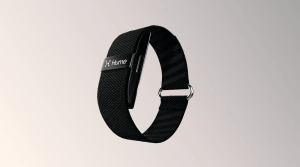
How to Track Your Runs Using the HumeHealth Band
Exploring Europe’s best running destinations is rewarding—but tracking your performance ensures measurable progress.
Here’s how to maximize your training data:
1. Monitor Core Metrics
The band tracks:
-
Heart rate (real-time and zones)
-
Calories burned
-
Step count
-
Distance covered
-
Sleep quality (for recovery optimization)
Use heart rate zones to distinguish between recovery runs, aerobic base sessions, and high-intensity intervals.
2. Optimize Training Zones
When running in locations like coastal promenades or alpine routes:
-
Stay in Zone 2 for endurance-building long runs.
-
Shift to Zone 4 during hill intervals.
-
Track recovery heart rate post-run to assess conditioning.
3. Evaluate Performance Trends
Consistency matters more than individual sessions. Review weekly data to analyze:
-
Pace improvements
-
Distance progression
-
Heart rate variability (if supported)
-
Recovery quality
This helps you adapt to different climates and terrains across Europe.
4. Sync and Compare Routes
When traveling between cities:
-
Save route data
-
Compare pace variations due to elevation
-
Identify optimal training environments
For example, flatter parks may improve tempo pace, while hilly routes enhance strength metrics.
Final Thoughts
Europe offers unmatched diversity for runners—from flat urban parks and coastal paths to historic bridges and volcanic hills. Whether you’re training for a marathon, maintaining general fitness, or simply exploring new cities on foot, these destinations combine athletic performance with unforgettable scenery.
Pairing these experiences with data-driven tracking through a reliable wearable ensures that every kilometer contributes meaningfully to your goals.
Lace up, start tracking, and turn your European travels into a high-performance running journey.