
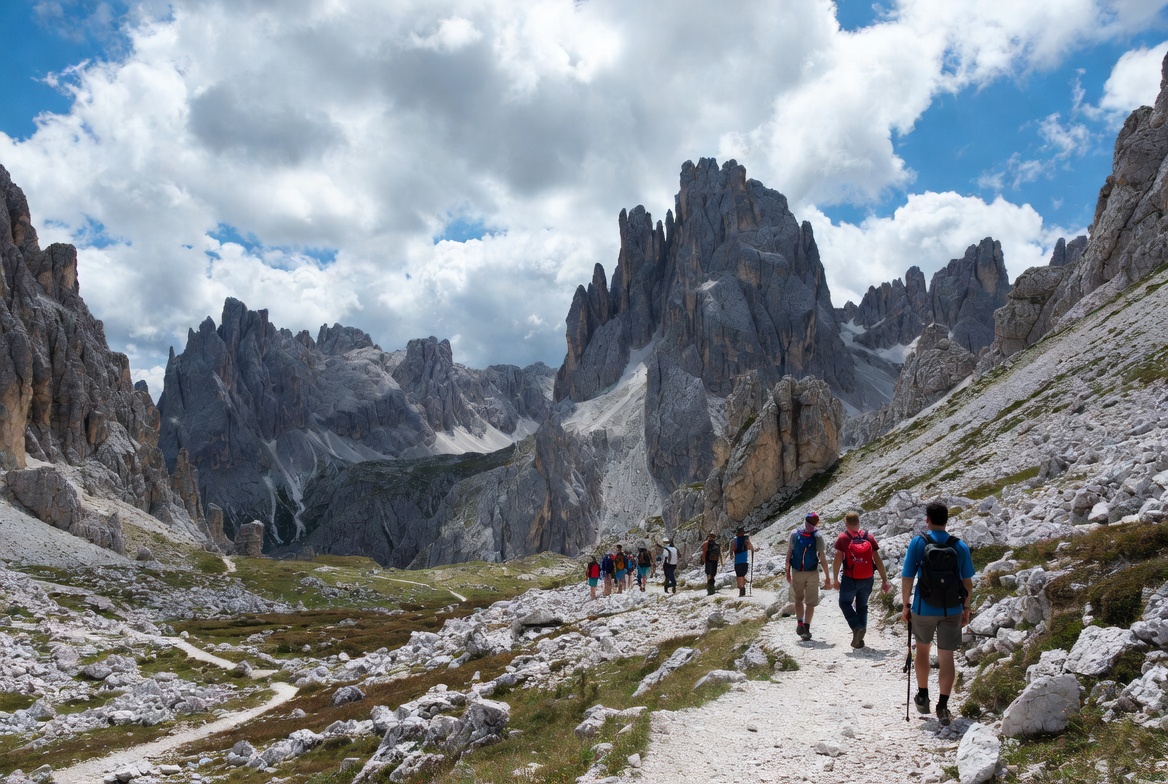
Trekking in Dolomites is one of the most unforgettable experiences for nature lovers and adventure seekers. Located in northern Italy, the Dolomites are a UNESCO World Heritage Site known for their dramatic limestone peaks, scenic valleys, alpine lakes, and panoramic hiking trails. Whether you are a beginner or an experienced trekker, the region offers a wide range of routes with different elevations, distances, and difficulty levels.
From peaceful meadow walks to high-altitude mountain trails, trekking in Dolomites gives you the opportunity to explore some of Europe’s most beautiful landscapes. This guide covers everything you need to know, including how to reach, popular trekking routes, elevations, distances, difficulty levels, best time to visit, and important tips.
Why Trekking in Dolomites is So Popular
The Dolomites are often considered one of the best trekking destinations in the world. The mountain range offers a perfect mix of natural beauty, well-marked trails, and excellent infrastructure for hikers.
Here’s why trekking in Dolomites stands out:
Stunning alpine scenery and dramatic rock formations
Hundreds of well-maintained hiking trails
Routes for beginners to professional trekkers
Comfortable mountain huts (rifugios) along the trails
Easy accessibility from major Italian cities
Breathtaking sunrise and sunset views
Every trail feels like walking through a postcard. Green valleys, crystal-clear lakes, and towering peaks create an unforgettable experience.
How to Reach the Dolomites
Reaching the Dolomites is relatively easy, especially if you are traveling from within Europe.
By Road
Driving is one of the best ways to explore the Dolomites. Scenic mountain roads connect all major trekking areas, and parking is available near most trailheads.
By Train
You can take a train to nearby towns such as:
Bolzano
Cortina d’Ampezzo
Brunico
From the station, buses and taxis are available to reach trekking starting points.
By Air
The nearest airports are:
Venice Airport
Milan Airport
Innsbruck Airport (Austria)
From these airports, you can rent a car or take a bus to reach the Dolomites region.
Best Time for Trekking in Dolomites
The ideal trekking season is from June to September.
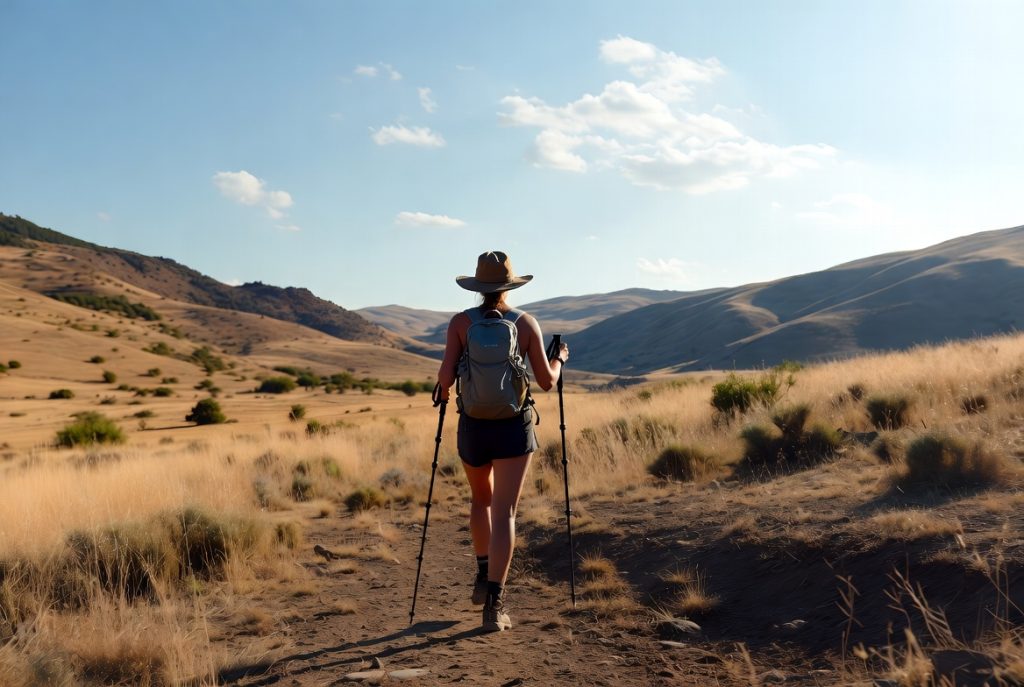
Summer (June–September)
Best weather for hiking
Trails are fully open
Mountain huts operate regularly
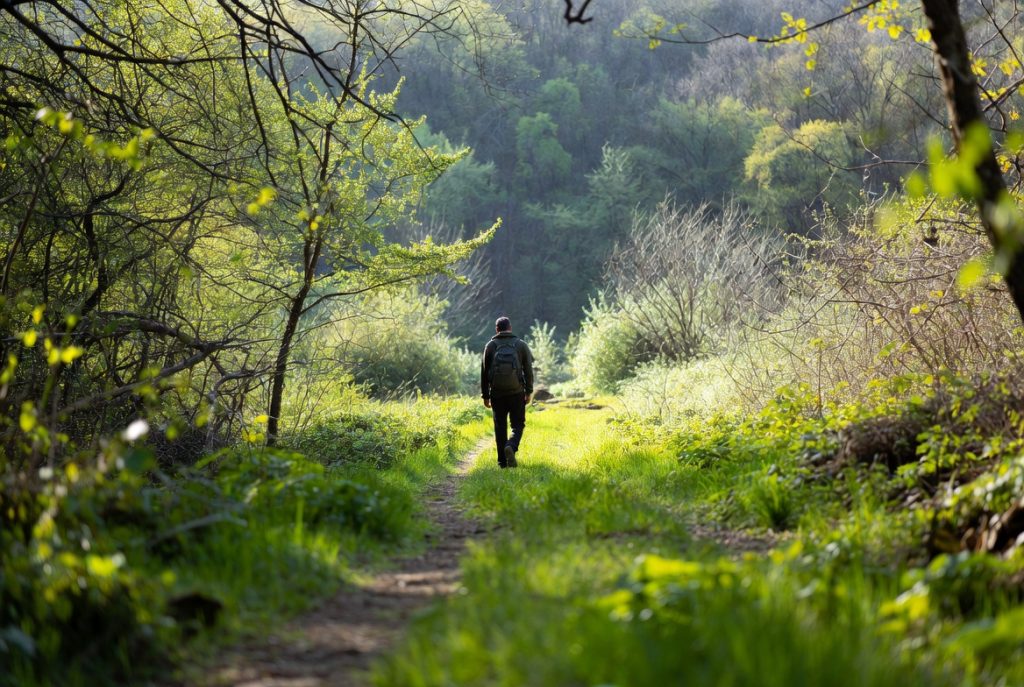
Spring (April–May)
Snow may still cover higher trails
Good for lower elevation hikes
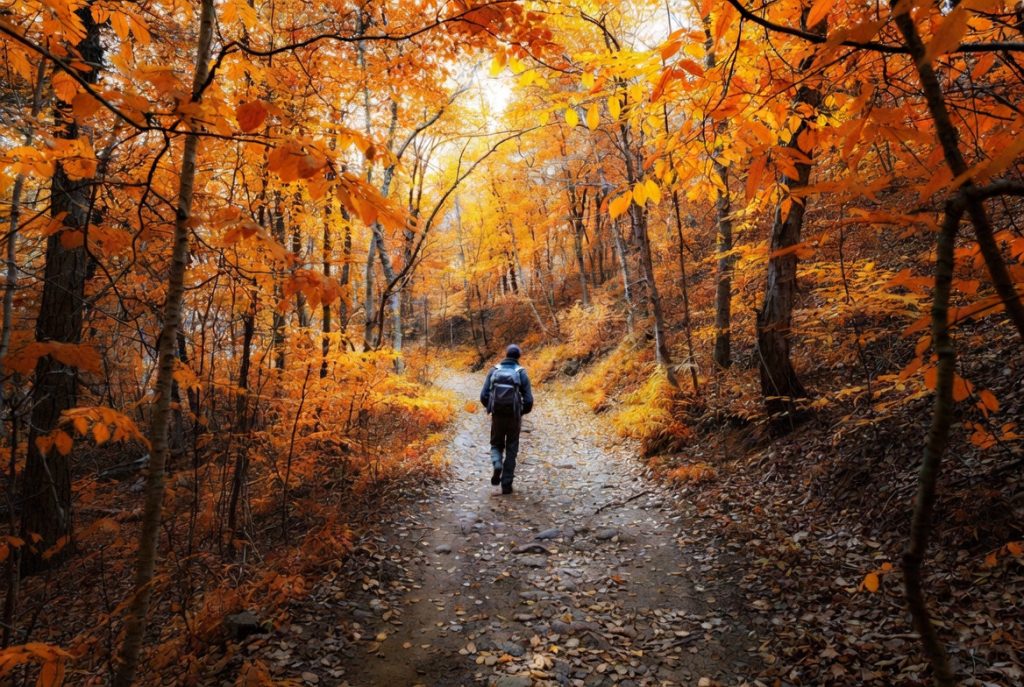
Autumn (October)
Fewer crowds
Cooler temperatures
Beautiful fall colors
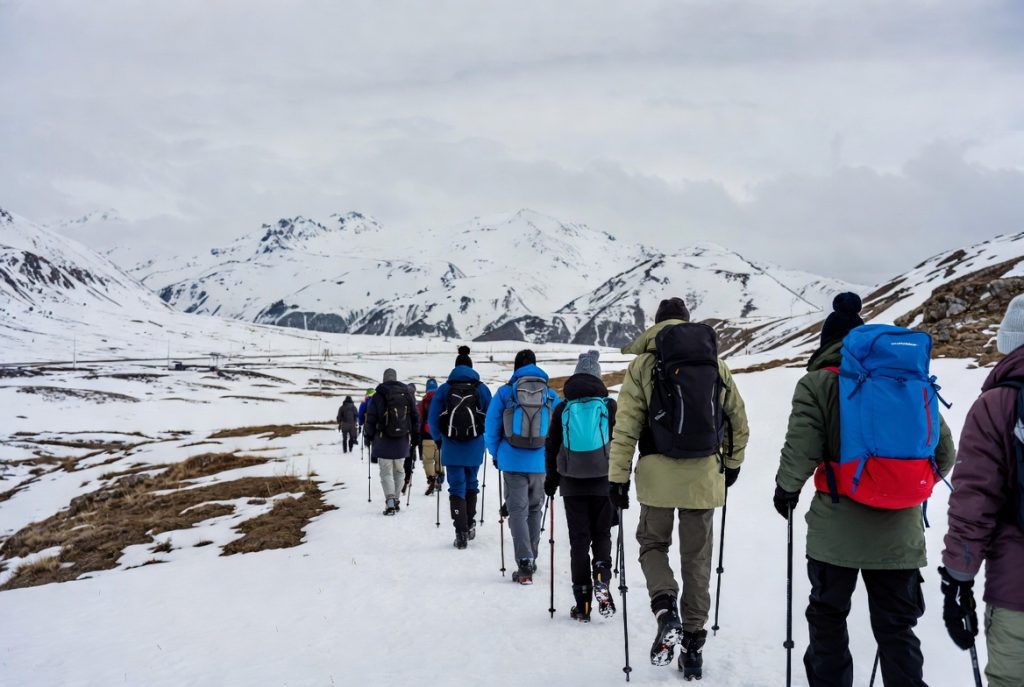
Winter (November–March)
Not suitable for regular trekking
Popular for skiing instead
Elevation Range in the Dolomites
The Dolomites feature varying elevations, making them suitable for all types of trekkers.
Lowest valleys: around 1,200 meters
Popular trekking routes: 1,800–2,500 meters
Highest peaks: over 3,000 meters
The famous Marmolada peak stands at approximately 3,343 meters, making it the highest mountain in the Dolomites.
Best Trekking Routes in Dolomites
There are hundreds of trails in the Dolomites. Here are some of the most popular trekking routes based on distance, elevation, and difficulty.
Tre Cime di Lavaredo Trek
This is one of the most iconic treks in the Dolomites. The trail offers spectacular views of three massive peaks rising dramatically from the landscape.
Highlights include:
Scenic mountain huts
Panoramic viewpoints
Easy walking paths
Perfect for beginners and casual hikers.
Difficulty
Easy to moderate
Elevation
Around 2,300–2,500 meters
Distance
8–10 km loop
Lago di Braies Trek
This is a relaxing trek around a beautiful alpine lake. It is ideal for families and first-time trekkers.
What makes it special:
Stunning turquoise lake views
Short walking distance
Easy terrain
Difficulty
Easy
Elevation
About 1,500 meters
Distance
3-6km loop
Seceda Ridge Trek
This trek is famous for its dramatic ridge views and photo spots. The landscape looks almost surreal, with sharp peaks and green valleys.
Difficulty
Moderate
Elevation
2,500 meters
Distance
5-10Km
Alta Via 1 Trek
This is one of the most famous long-distance treks in the Dolomites. It usually takes 7–10 days to complete.
Key features:
Stays in mountain huts
Scenic valleys and passes
Challenging but rewarding
Difficulty
Moderate to difficult
Elevation
2,000–3,000 meters
Distance
120 km (multi-day trek)
Cinque Torri Trek
This trek is known for its unique rock formations and historical significance from World War I.
Difficulty
Easy to moderate
Elevation
2,200 meters
Distance
4–7 km
What to Pack for Trekking in Dolomites
Packing the right gear is essential.
Essential Items
Comfortable trekking shoes
Water bottle
Warm clothing
Rain jacket
Sunscreen
Backpack
Optional Items
Trekking poles
Camera
Energy snacks
Weather in the mountains can change quickly, so always be prepared.
Safety Tips for Trekkers
Trekking in the Dolomites is generally safe, but precautions are important.
Check weather forecasts before starting
Start early in the morning
Stay on marked trails
Carry enough water and food
Inform someone about your route
Tips for First-Time Trekkers
If you are new to trekking in Dolomites:
Start with shorter trails
Choose summer months
Wear proper footwear
Stay hydrated
Avoid pushing beyond your fitness level
Why You Should Experience Trekking in Dolomites
Trekking here is not just about walking. It’s about connecting with nature, enjoying peaceful landscapes, and experiencing the beauty of the Alps.
Reasons to visit:
One of the most scenic mountain ranges in the world
Suitable for all experience levels
Safe and well-organized trails
Rich culture and history
Trekking in Dolomites is a once-in-a-lifetime experience for nature lovers, photographers, and adventure enthusiasts. From easy scenic walks to challenging multi-day treks, the region offers something for everyone. The combination of stunning landscapes, accessible trails, and well-maintained infrastructure makes it one of the best trekking destinations in the world.
Whether you’re planning a short vacation or a serious hiking adventure, the Dolomites promise breathtaking views, peaceful surroundings, and unforgettable memories. Plan your journey wisely, choose the right trail based on your fitness level, and get ready to explore one of Europe’s most beautiful mountain ranges