
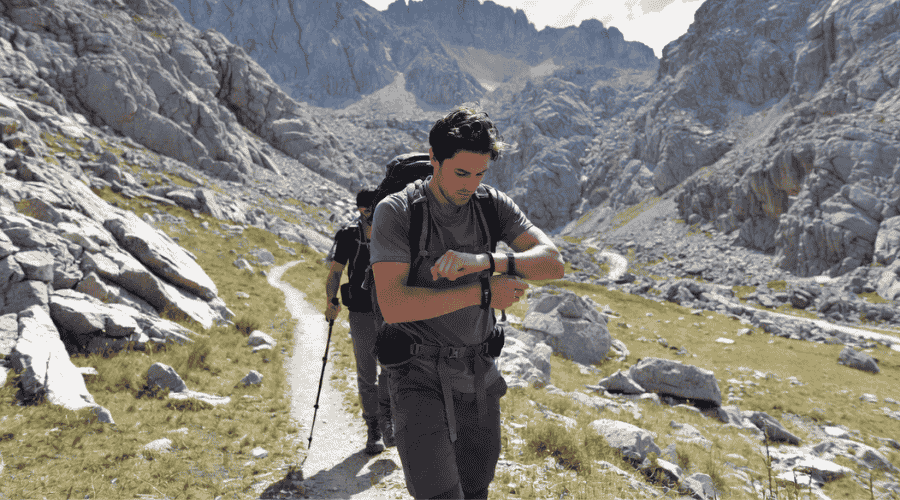
There’s something deeply grounding about trekking—fresh mountain air, winding forest trails, and the quiet rhythm of your footsteps. But while you’re chasing breathtaking views, your body is working hard behind the scenes. Monitoring your heartbeat while trekking isn’t just about fitness—it’s about safety, endurance, and performance optimization.
That’s where the Humehealth Band becomes a powerful companion on the trail. Whether you’re conquering steep inclines or walking long-distance routes, real-time heart rate monitoring helps you stay in control of your body and your adventure.
Let’s explore how you can keep your heartbeat using Humehealth Band while trekking—and why it matters more than you think.
Why Monitoring Your Heartbeat During Trekking Matters
Trekking is a cardiovascular-intensive activity. Even moderate trails can elevate your heart rate significantly, especially when:
-
Climbing steep terrain
-
Carrying a heavy backpack
-
Trekking at high altitudes
-
Walking long distances without rest
Tracking your heartbeat helps you:
1. Avoid Overexertion
Pushing too hard, especially at altitude, can lead to dizziness, fatigue, or even altitude sickness. Monitoring your heart rate helps you recognize when you need to slow down.
2. Improve Endurance
Staying within your optimal heart rate zone enhances stamina and allows you to trek longer without burnout.
3. Detect Warning Signs Early
Abnormally high or irregular heart rates can signal dehydration, heat exhaustion, or cardiovascular stress.
4. Optimize Fat-Burning & Cardio Zones
If your trek doubles as a fitness goal, heart rate tracking ensures you’re training in the right zone.

How the Humehealth Band Supports Trekkers
The Humehealth Band is designed to offer continuous biometric tracking, making it ideal for outdoor adventures. When trekking, its heart rate monitoring features become especially valuable.
Key Features for Trekkers
-
Real-time heart rate monitoring
-
Continuous tracking throughout the day
-
Lightweight and comfortable design
-
Long battery life for extended trips
-
Water-resistant build for unpredictable weather
Unlike traditional trekking watches that focus mainly on navigation, the Humehealth Band emphasizes internal metrics—how your body responds to physical stress.
Understanding Your Heart Rate Zones While Trekking
To effectively keep your heartbeat using Humehealth Band while trekking, you need to understand heart rate zones.
Here’s a simplified breakdown:
-
Zone 1 (50–60% max HR): Light activity, warm-up pace
-
Zone 2 (60–70% max HR): Fat-burning, steady endurance
-
Zone 3 (70–80% max HR): Moderate cardio training
-
Zone 4 (80–90% max HR): High-intensity effort
-
Zone 5 (90–100% max HR): Maximum exertion
Ideal Trekking Zone
Most trekkers should aim to stay within Zone 2 to low Zone 3 for sustained endurance. If you notice your heart rate consistently pushing into Zone 4 on a steep climb, it may be time to:
-
Slow your pace
-
Take a short break
-
Hydrate
-
Adjust backpack weight
The Humehealth Band allows you to monitor these shifts instantly, so you can make informed decisions on the go.
Trekking at High Altitude: Why Heart Rate Monitoring Is Crucial
High-altitude trekking adds another layer of cardiovascular demand. Oxygen levels drop, and your heart compensates by beating faster to deliver oxygen to muscles.
With the Humehealth Band, you can:
-
Observe elevated resting heart rate trends
-
Detect unusual spikes during mild activity
-
Monitor recovery time after steep ascents
If your heart rate remains unusually high even during rest breaks, it could indicate altitude stress or dehydration—signals you shouldn’t ignore.
Practical Tips to Use Humehealth Band Effectively on the Trail
Simply wearing the band isn’t enough. Here’s how to maximize its benefits:
Before the Trek
-
Ensure the band is fully charged
-
Sync it with the companion app
-
Check your resting heart rate baseline
During the Trek
-
Glance at heart rate every 20–30 minutes
-
Pay attention during steep climbs
-
Monitor recovery heart rate during breaks
After the Trek
-
Review heart rate trends
-
Analyze peak zones
-
Track improvements over multiple hikes
Over time, you’ll understand how your body responds to different terrains and altitudes.
Benefits Beyond Safety
Using the Humehealth Band while trekking isn’t just about preventing problems—it enhances your entire experience.
Better Pacing Strategy
Instead of guessing your limits, you rely on real-time data.
Smarter Energy Management
Maintaining a steady heart rate helps conserve glycogen stores, meaning less fatigue later.
Personalized Fitness Insights
Each trek becomes data-driven. You can compare heart rate performance across trails and seasons.
Common Mistakes Trekkers Make Without Heart Monitoring
Many hikers rely purely on “how they feel,” which can be misleading. Common issues include:
-
Starting too fast and burning out early
-
Ignoring early signs of exhaustion
-
Failing to hydrate adequately
-
Overtraining on back-to-back trekking days
Objective heart rate tracking removes the guesswork.
Final Thoughts: Trek Smarter, Not Harder
Trekking is about exploration, resilience, and connecting with nature—but it shouldn’t come at the cost of your health. When you keep your heartbeat using Humehealth Band while trekking, you transform your adventure into a data-informed journey.
You move smarter.
You recover better.
You trek longer.
Whether you’re navigating forest trails, climbing mountain ridges, or exploring remote landscapes, your heart is your most important trekking companion. Monitoring it with the Humehealth Band ensures every step you take is strong, safe, and sustainable.